
The story
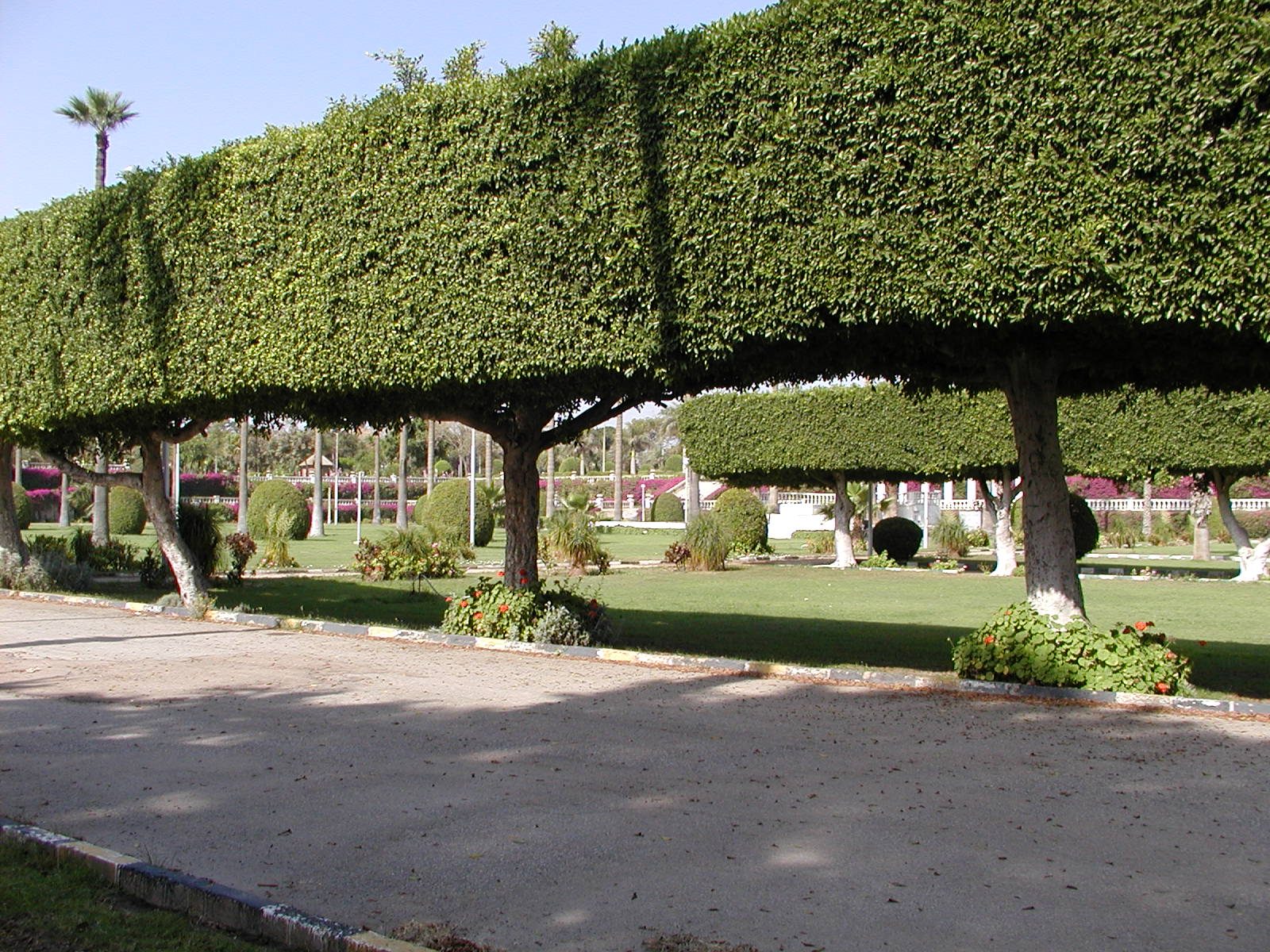
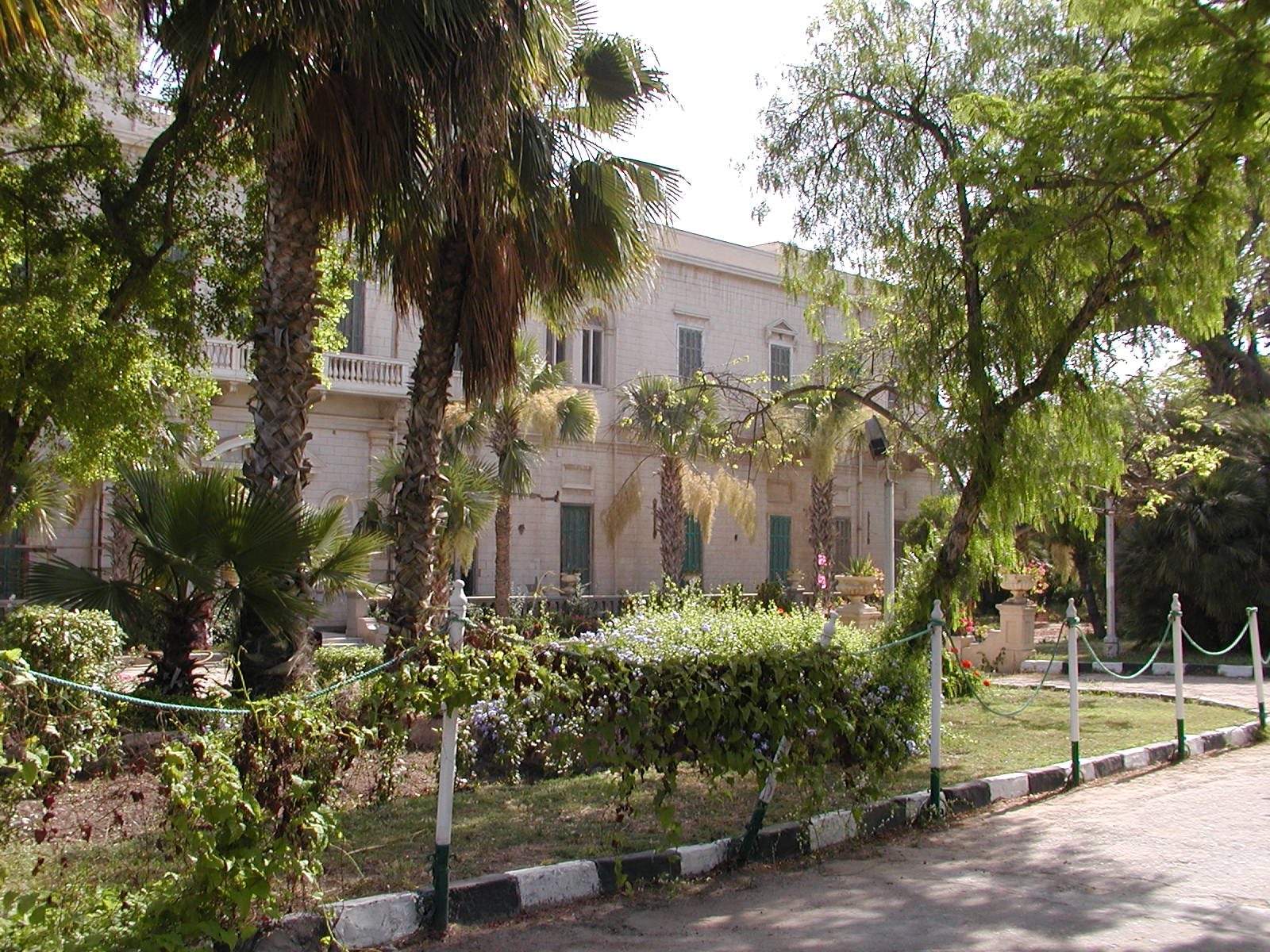
Hedges clipped in the manner of Versailles, and marble statues among palms and bougainvillea.
- 1The French garden and its clipped hedges
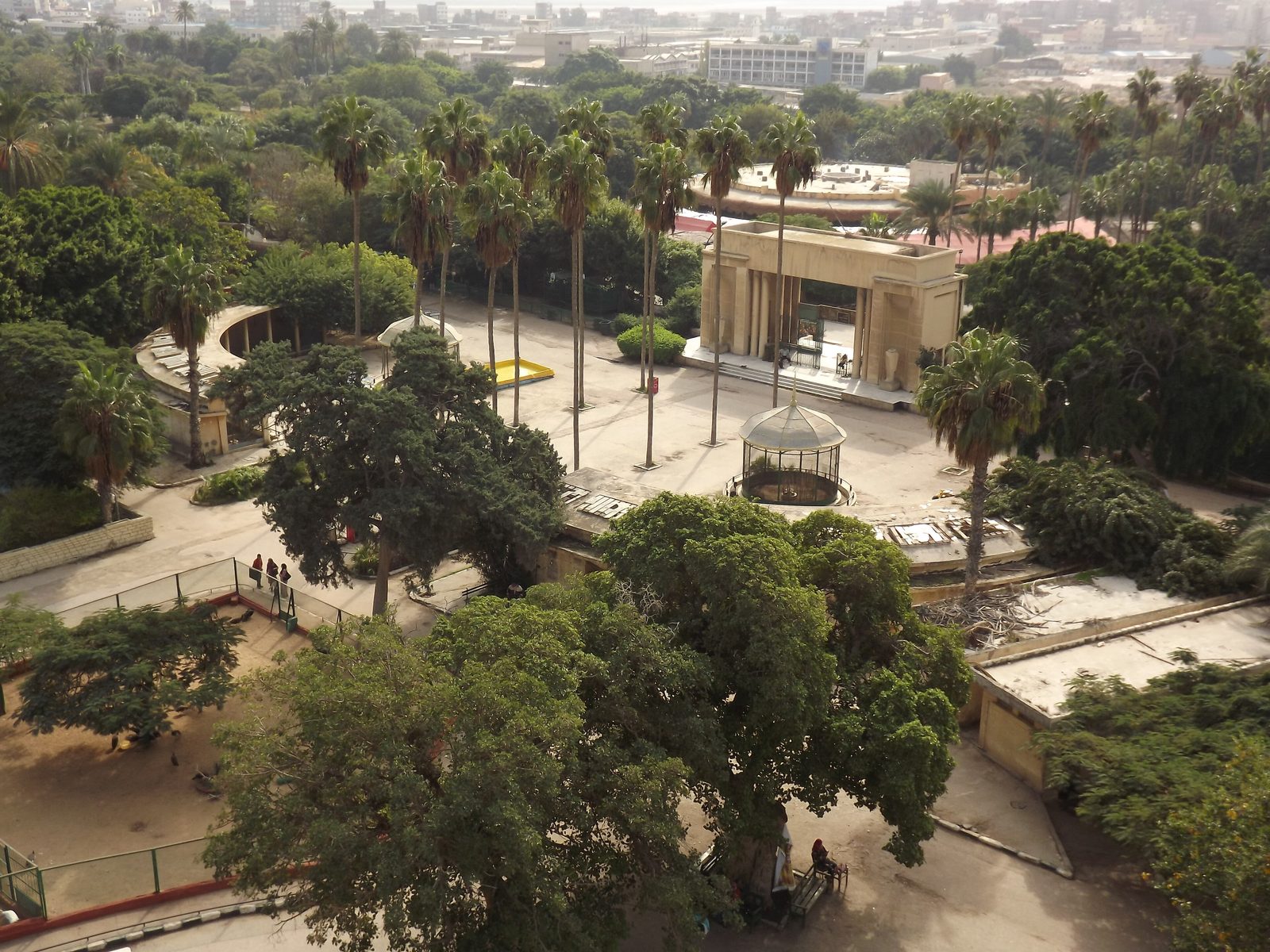
- 2The classical colonnade among bougainvillea and palms
- 3The marble statues
- 4The rose garden
According to the Alexandria Governorate’s page, in the 19th century the gardens belonged to a wealthy Greek and were known by his name as the Pastré gardens, until Muhammad Ali Pasha acquired them and built a palace there. In 1860 the French artist Paul Richard was commissioned to recreate them as a small model of the gardens of Versailles. The same page names Khedive Ismail as the one who commissioned him in one place, and Sir John Antoniadis in another. Some historians, it says, trace the gardens back to the Ptolemaic period.
Read more
The palace and gardens passed to the Greek merchant John Antoniadis, whose name the gardens took. When he died in 1895 they went to his son Antony, who carried out his father’s will and gave them to the Alexandria municipality in 1918. The gardens hold life-size marble statues, among them a Venus holding a mirror, the Four Seasons and alabaster lions, and a rose garden designed by the French engineer Dechon.
The governorate records that a tree was planted at the palace entrance to mark the 1936 treaty between Egypt and Britain, that the palace hosted kings staying in Alexandria, and that it saw the preparatory meeting for the founding of the Arab League in 1944.
The gardens, about 45 feddans, are run by the Horticulture Research Institute of the Ministry of Agriculture under Presidential Decree 112 of 1986; the palace and its front garden, about two feddans, were given to the Bibliotheca Alexandrina in 2004 to become a cultural centre.