
About
From the Corniche to the Mahmoudiya
The district in brief
East District is the eastern heart of Alexandria, between the sea and the Mahmoudiya canal. Its northern edge is the Corniche road from Delta Street to El Mithaq Street; from there it runs south to the Mahmoudiya canal, from Ezbet El Matar to Ezbet Khourshid and the second village of Abis, as the district’s boundary document, published by Alexandria Governorate, sets it.
The district holds three qisms and 17 shiakhas: Raml I with five, San Stefano and Fleming among them; Raml II with six, among them El Mahrousa and Abis and Khourshid; and Sidi Gaber with six, among them El Riyada, Mostafa Kamel and El Nozha.1
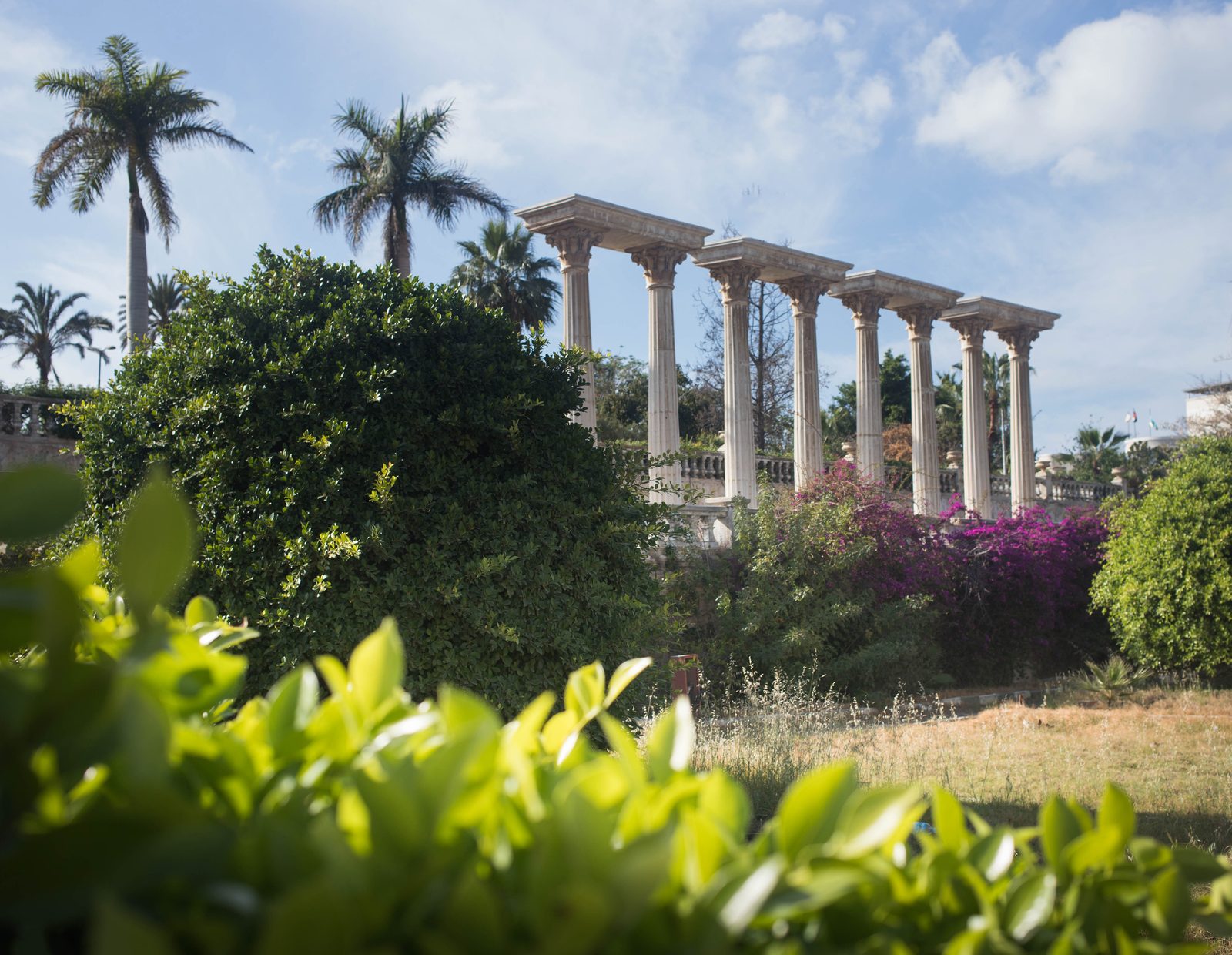
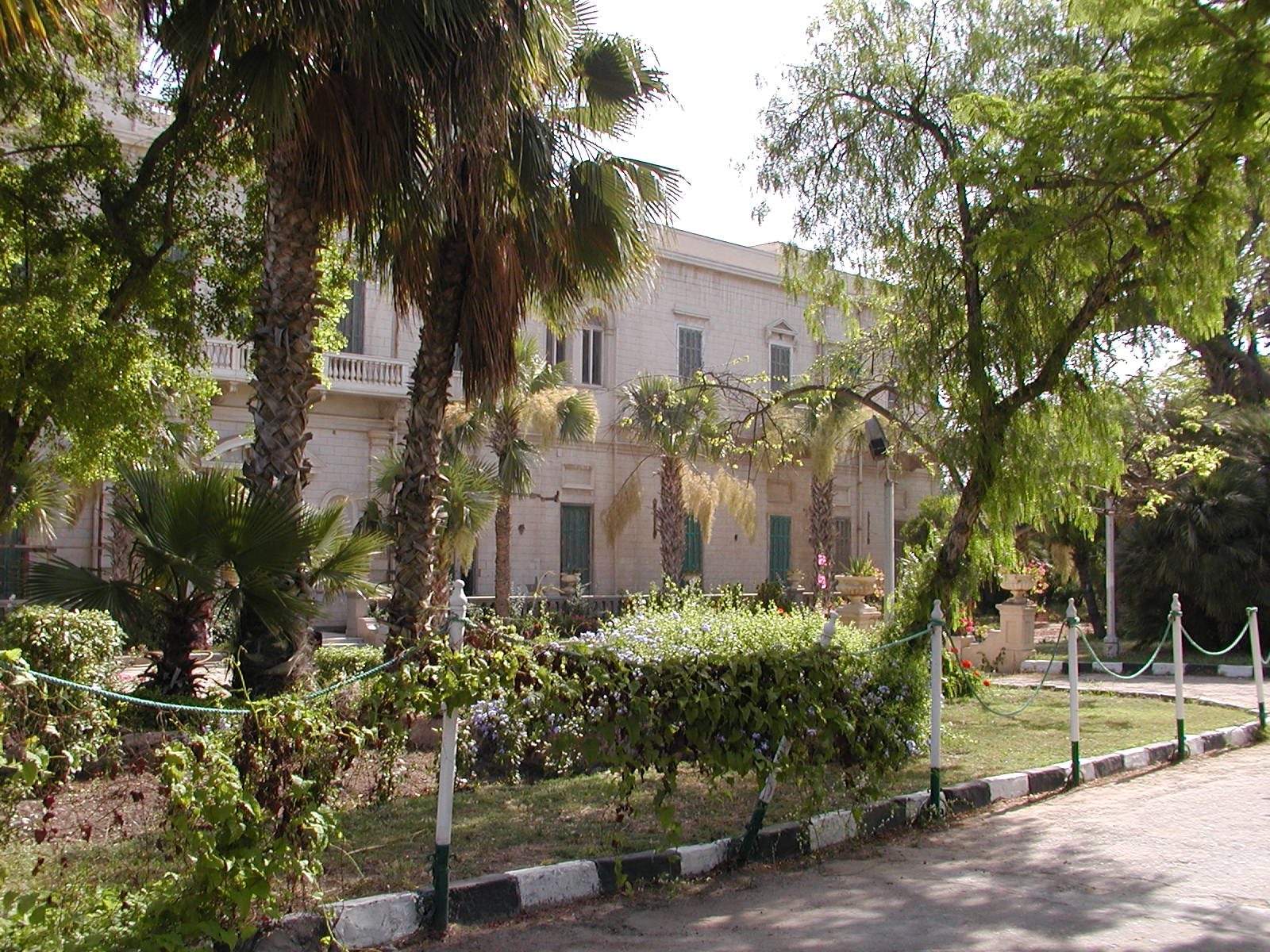
The district headquarters stands at Sidi Gaber El Sheikh and houses the technology citizen service centre. Within the district are the Royal Jewelry Museum, the Antoniadis Gardens, the Nozha Zoo, the ancient Mustafa Kamel tombs and Sidi Gaber station.
The district in numbers
17
Shiakhas
3
Administrative sections
60+
Years since the district was created (1965)
The qisms and shiakhas as in the district’s boundary document; the year it was created from the district’s page on the governorate portal1
The district at a glance
Our vision for clearer services, protected heritage and a district that welcomes residents and visitors.
A safe, orderly district where every resident gets their service easily and clearly, and which keeps the heritage and gardens of Sidi Gaber and El Raml.
Administrative sections
Three qisms: Raml I, Raml II and Sidi Gaber, holding 17 shiakhas between them.
Raml I
أول الرمل
Its shiakhas: Fleming, El Qasaei Bahari, San Stefano, El Qasaei Qebli, Dana1
- Population, estimate for 20172
- 277,937
Raml II
ثان الرمل
Its shiakhas: El Zahiriya and El Safih, El Aqesa and Bakos, Zaarbana and El Hammam, Hagar El Nawatiya, El Mahrousa, Abis and Khourshid1
- Population, estimate for 20172
- 631,658
Sidi Gaber
سيدي جابر
Its shiakhas: Sidi Gaber, El Riyada, Abu El Nawatir, Mustafa Kamel, Ezbet Saad, El Nozha1
- Population, estimate for 20172
- 252,164
Population figures are CAPMAS’s estimates, per qism, and are not added into one total.
Timeline
The Mustafa Kamel tombs
3rd century BC
The four Mustafa Kamel tombs were cut into the rock in the Ptolemaic period and found by chance in 1933 and 1934; among Alexandria’s cemeteries, only Shatby is older.
Sidi Gaber station
1854
Sidi Gaber station was built in 1854 with Egypt’s first railway, when Sidi Gaber lay outside the city, as the first terminus of the Alexandria to Cairo line, opened in 1856.
The Antoniadis Gardens
1918
In 1918 Antoni Antoniadis gave his family’s palace and gardens to the Alexandria municipality, as his father, the Greek merchant John Antoniadis, had willed.
Three districts
1965
Decision 1341 of 1965 of the Minister of State for Local Administration divided the city of Alexandria into three districts: East, Downtown and West.
El Montazah District
1982
El Montazah was separated from East District in 1982 to become a district in its own right.
The Royal Jewelry Museum
1986
Princess Fatma El Zahraa’s palace in Zizinia opened as the Royal Jewelry Museum on 24 October 1986, and reopened in April 2010 after its renovation.
The shiakhas’ boundaries
2016
In January 2016 Alexandria Governorate published the boundary document for East District’s shiakhas: its three qisms, its 17 shiakhas and the limits of each.
Our priorities
Four commitments that govern the district’s day-to-day decisions.
Automated, understandable service
Residents should know the documents their service needs before they visit the technology centre, and find reconciliation files, licences and complaints handled in one place.
Safe buildings
Following up buildings at risk of collapse, removing imminent danger, and stopping unlicensed building before it is finished.
Clean, orderly streets
Clearing waste and encroachments, paving roads and caring for gardens across the three qisms, from the Corniche to the edges of Abis.
An open door for residents
Receiving complaints and requests at the district headquarters, and taking part in the governor’s public meeting for the central sector in the second week of each month.